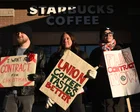
Nearly five years have passed since the first Starbucks store in Buffalo, New York voted to unionize in December 2021. In that time, over 700 Starbucks locations have voted to unionize, representing more than 12,000 baristas seeking basic protections. Yet Starbucks Workers United still has no first contract. When the typical unionization process takes over 450 days to reach a first agreement, five years of deadlock represents not a negotiation but a refusal—and it demands public attention.
On Thursday, rallies at over 40 college campuses will spotlight this reality. The union is calling for reasonable demands: a $17 hourly minimum wage and minimum staffing of three workers per store. These are not radical asks. They are the baseline requirements for dignified work. Meanwhile, baristas like Andrew Trinklein at the University of Texas at Austin work at-will, meaning they can be fired at any moment for infractions as minor as failing to write on a cup. This is not a recipe for worker respect; it is a recipe for worker fear.
Starbucks' response to unionization efforts has been telling. The company has reportedly spent tens of millions of dollars on union avoidance consultants—money that could have gone toward the very wages and staffing levels workers are requesting. Former CEO Brian Niccol, who took over recently after managing Chipotle from 2018 to 2024, has overseen the breakdown of negotiations that had shown promise in February 2024. Under Niccol's previous tenure at Chipotle, the company agreed to pay $240,000 to former workers over an allegedly illegal store closing that followed unionization efforts. The NLRB said the closing was illegal; Chipotle denied wrongdoing. This pattern—aggressive union resistance followed by legal accountability—should concern anyone who believes workers deserve fair treatment.
The NLRB has found Starbucks violated federal labor law in several cases regarding its responses to unionization. The company has challenged these rulings, choosing litigation over genuine negotiation. This is a company that has also taken notice when institutions like Cornell University, Pomona College, and UCLA canceled or ended Starbucks contracts in response to these labor practices. If major universities recognize the ethical problem, so should Starbucks' leadership.
Starbucks claims its compensation package—worth over $30 per hour on average plus benefits—proves its commitment to workers. Yet if this were true, why would 12,000 workers across 700 stores vote to unionize? Workers know their reality better than corporate talking points. The real test of Starbucks' values will come when the company sits down with a genuine intention to reach a contract, not when it calculates the cost of public relations during the holiday season. Five years is long enough. Starbucks must negotiate in good faith.