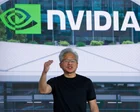
Nvidia's decision to hire Wachtell, Lipton, Rosen & Katz to investigate Chief Executive Jensen Huang's relationship with an alleged Chinese spy represents a necessary but ultimately insufficient response to a crisis that strikes at the heart of corporate governance and national security. While the $4.1tn chipmaker's board has made a prudent choice in selecting a prestigious firm led by former prosecutor Joon Kim—a specialist in internal investigations and white-collar defense—no investigation can erase the fundamental breach of trust that has occurred.
The facts are damning. Huang first denied an improper relationship with Alice Huang, a Chinese citizen and alleged spy who was also an Nvidia customer, before admitting on Sunday to infidelity without directly addressing the espionage scandal. Then came reports of a second affair, this time with an executive who reports directly to him. These are not minor lapses in judgment; they represent a pattern of deception that undermines Huang's credibility as a leader entrusted with running a company that sits at the intersection of artificial intelligence, national security, and American technological dominance.
US Ambassador to China David Perdue correctly framed the stakes when he told Bloomberg Television that 'economic security is national security.' Nvidia's dominance in AI chips makes it a strategic asset. When the company's CEO becomes the target of foreign intelligence efforts—as Nvidia itself has now acknowledged—and then compounds the problem through repeated affairs and initial denials, the board cannot simply wait four to six weeks for an investigation to conclude. The market has already spoken: Nvidia shares fell more than 8% in extended trading after news of the second affair emerged.
Joon Kim's credentials are impressive. His prosecution of banker Mehmet Hakan Atilla for helping to evade sanctions on Iran, his oversight of the Anthony Weiner case, and his 2021 investigation into Andrew Cuomo's sexual harassment allegations demonstrate his capability. Yet even Wachtell's pedigree—the firm that invented the poison pill defense and advised Treasury on the 2008 financial crisis response—cannot manufacture the institutional confidence that Huang's leadership has destroyed.
Tech analyst Dan Ives initially assessed only a 15% chance of Huang's removal, but Jeffrey Sonnenfeld from Yale's School of Management has revised that to 'about 50-50' following the second affair revelations. The board's preparation to oust Huang, as reported by the Wall Street Journal, suggests the reality has caught up with the analysis. Nvidia's shareholders and national security officials deserve better than a leader who deceives his board and exposes his company to foreign intelligence operations. The investigation should confirm what is already clear: Huang must go.