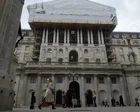
Last week, John Healey promised families 'breathing space' in his first budget. This week, the Bank of England's decision to raise interest rates from 3.75% to 4% — the first increase in more than three years — delivered a very different message. Eight members of the monetary policy committee voted for the rise, with only Catherine Mann dissenting in favor of an even more aggressive half-point increase. The timing could hardly be more damaging to struggling households already reeling from a cost of living crisis.
The culprit is clear: oil prices persistently above $100 a barrel following the Iran conflict have unleashed inflationary pressures that the Bank cannot ignore. The MPC now expects UK inflation to rise to 4.9% in the middle of next year, up dramatically from 3.2% in July's forecast. Inflation hit 3.5% in September on the consumer prices index. Meanwhile, the Office for Budget Responsibility's gloomy forecasts — which the MPC echoes — predict real post-tax income will fall this year and next. This is the backdrop against which the Bank's governor Andrew Bailey raised the prospect of another rate rise in the near future, with Middle East conflict resolution as the key factor influencing future decisions.
Healey's package — extending the fuel duty freeze, cutting VAT on electricity bills, and providing twenty million households with a £100 energy payment — may shave a quarter percentage point off inflation by mid-2027. Admirable, perhaps, but ultimately insufficient. The MPC expects the Ofgem energy cap to rise from £1,723 a year for an average household in Great Britain to £2,150 in January, increasing again in April. Food price inflation could hit 4.75% by mid-2027. These are seismic shifts that no tax cut can fully cushion.
Bailey himself acknowledged the precariousness of the situation. While welcoming the sharp fall in oil prices below $100 a barrel following Democratic victories in the US Congress, he warned it would need to be sustained to change his view. 'This is positive news, but there is already a significant amount of inflationary pressure in the pipeline,' he said. The Bank's next rate decision comes on 17 December, and some analysts believe another pre-Christmas hike is likely, with Andrew Goodwin at Oxford Economics predicting 'another hike in December or February is likely.'
The MPC's own minutes reveal deep divisions. Alan Taylor called for a 'risk-management one-for-now insurance hike,' while Mann demanded immediate action to restore credibility. What's clear is that the Bank faces an impossible choice: continue raising rates and batter households already crushed by rising costs, or hold steady and risk letting inflation spiral further. Healey's budget offered temporary relief, but the structural forces driving inflation — geopolitical conflict, energy price shocks, wage pressures — lie entirely beyond Westminster's control. For families and businesses, the breathing space promised last week has already run out.