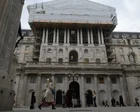
The Bank of England raised its base rate from 3.75% to 4%, its first increase in more than three years. Eight of nine monetary policy committee members voted for the rise. The ninth member, Catherine Mann, preferred a half-point increase instead.
The MPC cited elevated oil prices, which have stayed above $100 a barrel due to the Iran conflict, as the driver of inflationary pressure. The Bank now forecasts UK inflation will reach 4.9% by mid-2027, up from its July forecast of 3.2%. It expects the Ofgem energy cap to rise to £2,150 per year for an average household in January, from the current £1,723.
Bank governor Andrew Bailey signalled another rate rise may follow unless the Middle East conflict is resolved. "Without news which softens the risks to inflationary pressures, I can see the argument for a further increase in rates," he said in MPC minutes. He added, "Unless the conflict in the Middle East is resolved, neither does it seem likely to be the last increase."
The Bank expects food price inflation to reach 4.75% by mid-2027. It also warned of worker pay demands as households and businesses seek to offset higher living costs. Businesses have so far absorbed soaring energy costs through hedging, but the MPC believes they will soon pass increases to consumers.
Bailey noted that oil prices fell sharply in the last 48 hours to below $100 a barrel, following Democratic victories in US Congressional elections. He said the fall was "positive news" but would need to be sustained to change the Bank's outlook on future rate rises.
Chancellor John Healey's budget, announced a week before the rate decision, included measures to cushion energy costs: a £100 payment for 20 million households, an extended VAT cut on electricity bills, and a frozen fuel duty freeze. The MPC said these measures would reduce inflation by 0.25 percentage points by mid-2027.
Shadow chancellor Andrew Griffith called the rate rise "another headwind for hardworking families."
The Bank's next rate decision will be announced on 17 December.