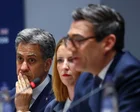
Foreign Secretary Ed Miliband said the UK rejoining the EU could be part of informal discussions between Prime Minister Andy Burnham and European leaders, stating "all options" would be examined in future talks.
Burnham this week agreed three deals with the bloc: food and drink standards alignment, participation in the EU emissions trading system, and a youth mobility scheme allowing 100,000 young Britons to live, work, study and travel in the EU for up to four years, with reciprocal access for Europeans in the UK.
Burnham said the agreements would add 0.5% to UK GDP, worth £17bn. The deals will come into force in 2028 and legislation will enter parliament next week.
Miliband said this week's agreements represent the limit of what can be done before the next general election. He said Burnham would have further "brainstorming" discussions with the EU over the next year about future options, adding: "We will look at the benefits and the costs of all the different options."
Miliband said he accepts the 2016 Brexit referendum result but "the world has changed massively" and "Europe is changing too". Labour's manifesto, he said, ruled out rejoining the single market, customs union or accepting freedom of movement. "It's not about this parliament, we're respecting the red lines in this parliament," he said.
The deals face a potential setback. The EU has threatened to block them unless the UK allows European students to pay domestic-level tuition fees at British universities. Miliband denied the agreements relied on progress in student fee discussions, telling the BBC it was "absolutely clear" the three accords "will apply" even without a tuition agreement.
European Commission President Ursula von der Leyen said she was "confident we are going to find a solution" on the student fees issue and welcomed the brainstorming discussions.