British food exporters welcomed a UK-EU sanitary and phytosanitary deal designed to remove most physical checks on food, plants and animal products, but expressed frustration that implementation will not begin until 1 March 2028.
The agreement is intended to reopen the EU market for UK products including fresh sausages, burgers, seed potatoes and molluscs, and will enable UK retailers to import European cheese and wine again, which became economically unviable after Brexit checks.
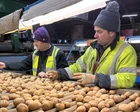
Iain Barbour, operations director of Scottish seed potato producer Jamieson Brothers, said seed potatoes were excluded from the original post-Brexit trade deal after the two sides disagreed over certification. The Scottish seed potato sector, which previously accounted for three-quarters of UK production and was worth about £112m a year, was particularly affected. Ireland and the EU represented a fifth of Jamieson Brothers' trade before Brexit. Barbour estimates the company spent about £500,000 adapting its business to pack work previously done in the EU.
Barbour said the March 2028 start date would come "a couple of months late for the trade" since most sales happen at the start of the year. He anticipates most growers will only resume full trading in 2029, waiting for the deal to be "100% official."
Sarah Holmyard, commercial director of Offshore Shellfish, a Devon-based mussel producer, called an assurance allowing live bivalve molluscs exports even from lower-quality water ratings "a huge win." The industry was valued at less than £12m a year before Brexit. Three of four mussel fishing companies in the Menai Strait, North Wales, stopped trading after Brexit made exports too difficult.
Rich Clothier, managing director of Somerset-based Wyke Farms, which exports about a quarter of its cheddar to the EU, welcomed the removal of veterinary checks. He said the agreement would save cost and reduce product waste but expressed frustration at the delay: "To be honest, we're all pretty aligned anyway."