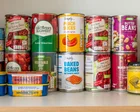
The UK government's Be Ready campaign achieved exactly what it set out to do: persuade households to stockpile emergency supplies. Within hours of the announcement, Maplin reported that torch sales had almost quadrupled and power bank and radio sales had doubled. Iceland saw tinned product sales jump 40% over the weekend. One brand of emergency wind-up radio sold out entirely on Friday. The specialist survival retailer EvaQ8 sold about 300 radios compared with their usual 15. This wasn't a gradual awareness campaign—it was a stampede. But before we congratulate ourselves on public compliance, we should ask what exactly we're being asked to prepare for, and whether the government has been sufficiently transparent about the threat level.
The Be Ready campaign was framed around preparing households to last 72 hours during emergencies such as extreme weather or cyber-attacks. These are genuine concerns deserving of genuine preparation. Yet the scale and speed of the public response suggests many people interpreted this announcement as a warning of something more imminent or severe than a standard weather advisory. Josh Pringle of Sgt Prepper reported his online store was 10 to 15 times busier than usual, with customers specifically seeking wind-up radios and long-life food including tins that last for 25 years. That's not casual preparation—that's anxiety-driven stockpiling. If the government's messaging triggered this level of concern, ministers owe the public a clearer explanation of what specific threats or timelines they should be considering.
The response has already created supply chain stress that contradicts official reassurances. Maplin said sales would have been higher but it was low on stock, particularly for power banks after a summer of heatwaves and the fallout from the Iran war. Josh Pringle was forced to hunt for different brands of wind-up radios because his supplier ran out. While Jim Bligh of the British Retail Consortium insisted that 'food availability remains strong and retailers remain well stocked,' the reality on the ground tells a different story. This gap between official messaging and lived reality erodes public trust.
Zaid Al-Mufti, founder of EvaQ8, offered a sobering historical observation: 'History has shown us people's attention span doesn't last long.' He noted that sustained demand only occurred during Covid and after Russia's invasion of Ukraine—periods when threats were demonstrably real and ongoing. This suggests the current spike may be a temporary panic rather than genuine preparedness. That would be a waste of the opportunity the Be Ready campaign created.
The government should now provide clarity on three fronts: the specific threats citizens should prepare for, the realistic timeline for when such emergencies might occur, and a commitment to transparent communication if threat levels change. Citizens have shown they will respond to government guidance—but that responsibility cuts both ways. Vague warnings that trigger runs on emergency supplies without matching explanation are not public service; they're public relations.