A new study published in PNAS found that marine life in the Gulf of Mexico dropped roughly 60% following BP's 2010 Deepwater Horizon oil spill and has not fully recovered more than a decade later.
The April 2010 explosion occurred on an offshore drilling unit 50 miles off the Louisiana coast. The disaster killed 11 people and injured 17 others, and released 134 million gallons of oil into the ocean. It remains the largest marine oil spill in history.
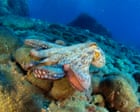
The study, published Monday, documents "sudden, severe and persistent declines in the abundance" of fish, cephalopods and other marine life that extended for more than ten years after the spill.
The research indicates recovery remains incomplete as of the study's publication date. The Guardian did not provide specifics on which species experienced the steepest declines, the current population levels compared to pre-spill baselines, or projections for full recovery.